Species
Nut trees
Nuts are the highest-value thing a tree can make, whether you are feeding your family, your livestock or the deer herd. These are the four we grow, plus the oaks worth planting for wildlife.
Chestnut
The backbone of almost every planting we sell. Chestnuts bear young, drop heavy every single year with no alternate-year gap, and produce a sweet, easy-peeling nut that works equally well in your kitchen or on the ground for wildlife.
We grow 24 named seed families, from Iowa-proven Chinese selections through Japanese and European hybrids bred for nut size and disease resistance. Each one is a seedling grown from a nut off a specific named parent tree.
Northern pecan
The long game. Northern pecan selections are chosen specifically because they ripen early enough to finish a nut before an Iowa fall shuts them down, which is the whole problem with planting southern pecan genetics this far north.
Slower to bear than chestnut, but a mature pecan is a legacy tree that will outlive you and feed everything on the property while it does.
Hazelnut
The fastest nut to a first harvest that we grow. Hazelnuts are a bush rather than a timber tree, which makes them easy to pick, easy to fit into a hedge or field edge, and productive years before a chestnut catches up.
Be warned: hazelnuts are the outright favorite of nearly every animal on your property. If you are growing them for yourself rather than for wildlife, plan on protecting the crop, because it disappears fast.
Shellbark hickory
Native, and we grow native stock only — no named cultivars here. Shellbark produces the largest nut of any hickory, and it is one of the best trees you can put on heavy or bottom ground where a lot of nut trees struggle.
This is a patience tree. It is slow, it is long lived, and it belongs in a planting you are making for the next generation as much as for yourself.
Every nut tree on this page is wind pollinated. They do not use bees — pollen blows from tree to tree. A single chestnut, hazelnut, pecan or hickory will flower and set nothing at all. Plant at least two of the same species, ideally more, within a couple hundred feet of each other.
Oaks for wildlife
We also grow the common oak species that carry a wildlife planting for a century.
Swamp white oak
Tolerates wet feet and heavy clay better than almost any other oak, which makes it the answer for the low corner of the property nothing else wants to grow in.
Chinkapin oak
Sweet, low-tannin acorns that wildlife prefer over most red oak group species, and it handles dry upland and limestone ground well.
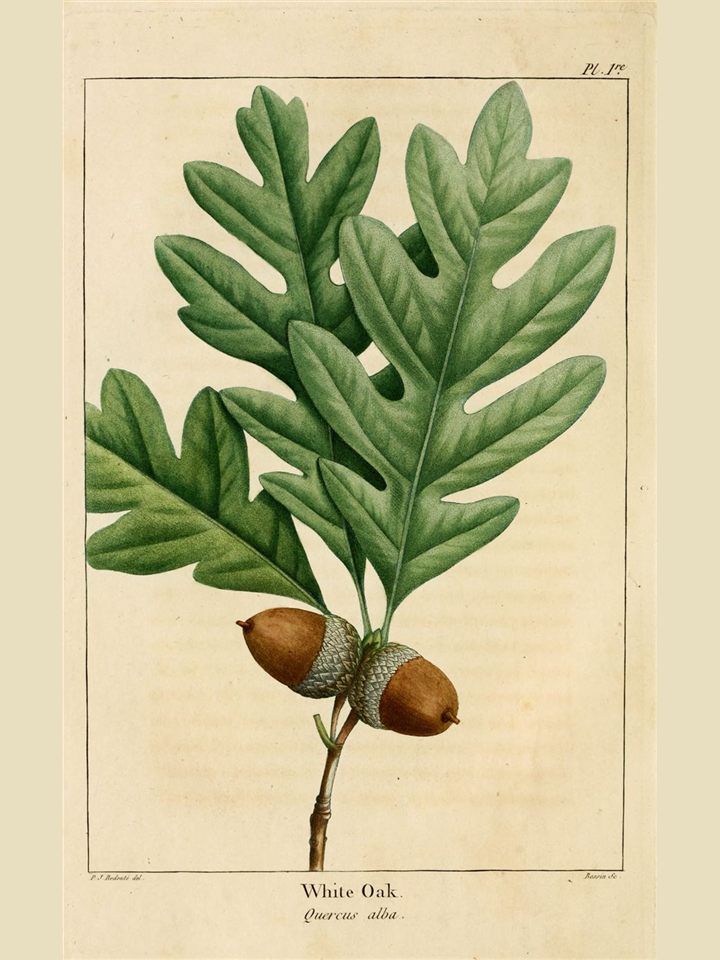
Oaks are the slow half of a good plan. They will not feed anything for well over a decade. Plant them alongside chestnut and hazelnut so you have food coming while the oaks take their time.
Not sure which nut tree fits your ground?
Tell us the goal and the site. We will put together a mix instead of selling you twenty of one thing.